What Happens When the Only Person Who Knows How It Works Is Away?
You take a day away, but the phone keeps going. Someone needs a price. Someone cannot find the latest order. A job is waiting because you are the only person who knows which version is right.
That is a useful place to start improving a business. Pick one of those interruptions and ask what the next person would need to finish the job confidently.
At Survivor Mountain, we help farms and family businesses in Salem, Oregon and the Willamette Valley turn repeated work and owner-held knowledge into clearer systems. The aim is to make an ordinary working day easier for the people already doing it.
Choose one job that keeps coming back to you
Start with something frequent and contained: approving a routine quote, recording a delivery, preparing an invoice or assigning tomorrow’s jobs. For a week, make a short note each time somebody needs your help with it.
Write down the question they asked and what you checked before answering. That often reveals the missing piece: a price rule, a current record, a permission or a clear way to handle an exception.
Make the next step visible
A useful handoff answers five questions:
- Where is the current record?
- What must be checked before the job moves on?
- Who can make the ordinary decision?
- What needs the owner’s judgement?
- How does the next person know the work is ready?
Put those answers where the work happens. A short instruction beside an order or a checklist at the point of review is easier to use than a long manual nobody can find.
Separate routine work from the unusual cases
A repeat order within agreed terms may be straightforward. An unfamiliar customer, changed delivery address or unusual discount may need someone to look more closely. Give those exceptions a named person and a clear next step.
The owner should still make the decisions that need their experience. The opportunity is to stop ordinary work arriving at the owner’s desk simply because nobody else has enough information.
Let someone else try it while you are there
Ask a colleague to complete the job using the record and instructions. Watch where they pause. If they need to ask you something, improve that part of the handoff and try again.
Once the process is clear, look at the repeated typing. Can information already captured in an order feed the next approved step? Our QuickBooks integration story shows one example of removing a handoff that had depended on family members.
Measure whether the working day improves
Compare a normal week before and after the change. Count owner interruptions, work waiting for approval and jobs that had to be corrected. Include the time staff spend maintaining the new process. The useful result is a job that works better in practice.
You can begin with a shared checklist and clearer responsibilities. A new app only earns its place when it makes that work easier.
Explore our approach to owner dependency and staff handoffs, or tell Paul which job always comes back to you. We can start with that one.
Related reads
When Staff Become the Link Between Orders and QuickBooks
An anonymous client story about connecting online orders, payment handling and QuickBooks, and removing a handoff that depended on family members.

Moving Harvest Records Off Paper: Where to Start
Start with one field record and follow it through review. A practical guide for farms around Salem, Oregon, with a clearly labelled Nature Farms pilot example.
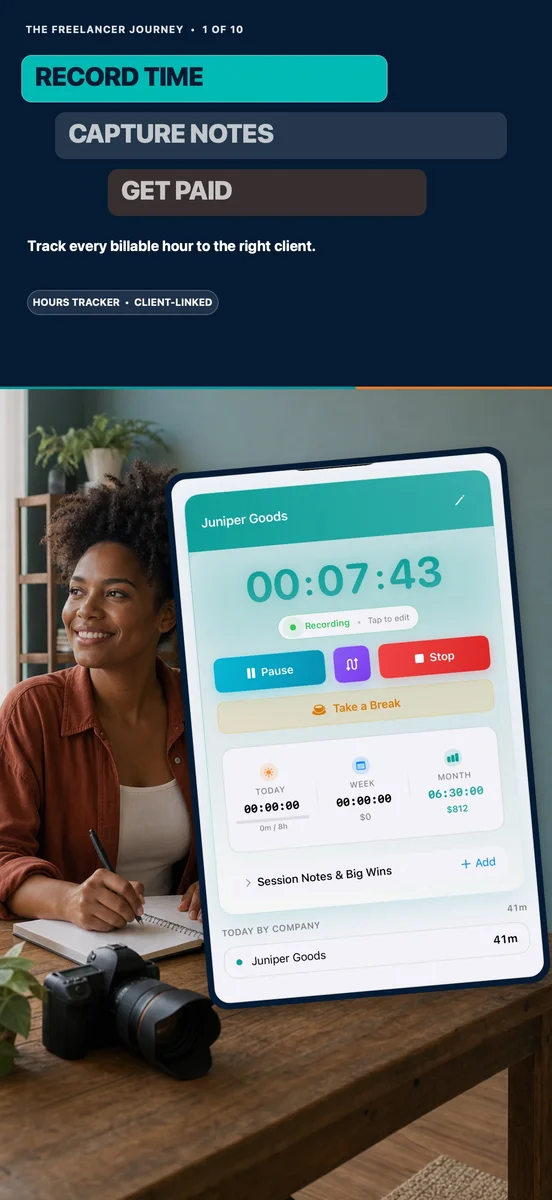
Clock Captain: From Tracked Time to a Clear Invoice.
Record the work, keep its context and prepare the invoice. Clock Captain connects the pieces of a working day that too often live in separate places.
Want to talk about how this could work for your business?
Let's Chat